The Platform

Autonomous piece-picking for 3PL warehouses

Six integrated capabilities that make fixed-station robot arms commercially viable at 3PL scale — without requiring robotics engineers on staff.

The Problem

Manual piece-picking at 3PL scale is slow, error-prone, and labor-dependent

Manual piece-picking in 3PL warehouses averages 350–500 units per hour per worker, with pick accuracy errors running at 1.5–3%, creating costly re-pack cycles and chargebacks from retail clients. At $4–9 per error in re-work and chargeback cost, even a mid-size 3PL running five facilities absorbs hundreds of thousands of dollars annually in preventable pick errors.

Labor turnover in pick roles runs 60–90% annually, meaning the skills a 3PL invests in training walk out the door faster than any other workforce category. The result is a constant retraining cost that compounds the throughput ceiling and the error rate simultaneously.

Existing robotic picking systems address the arm hardware problem but not the vision problem. A product-specific recognizer trained on labeled datasets degrades the moment a new client onboards with an unfamiliar SKU catalog — which in 3PL operations happens continuously. The robot stalls, the 3PL pays for human re-intervention, and the ROI case for automation erodes.

Capabilities

Six capabilities working together

Each capability addresses a specific failure mode that prevents vision robots from operating profitably in real 3PL environments.

Robot arm edge compute module executing sub-200ms grasp at pick station

01

Sub-200ms Grasp Decision

Identify and execute grasp plans faster than manual pick cycle time

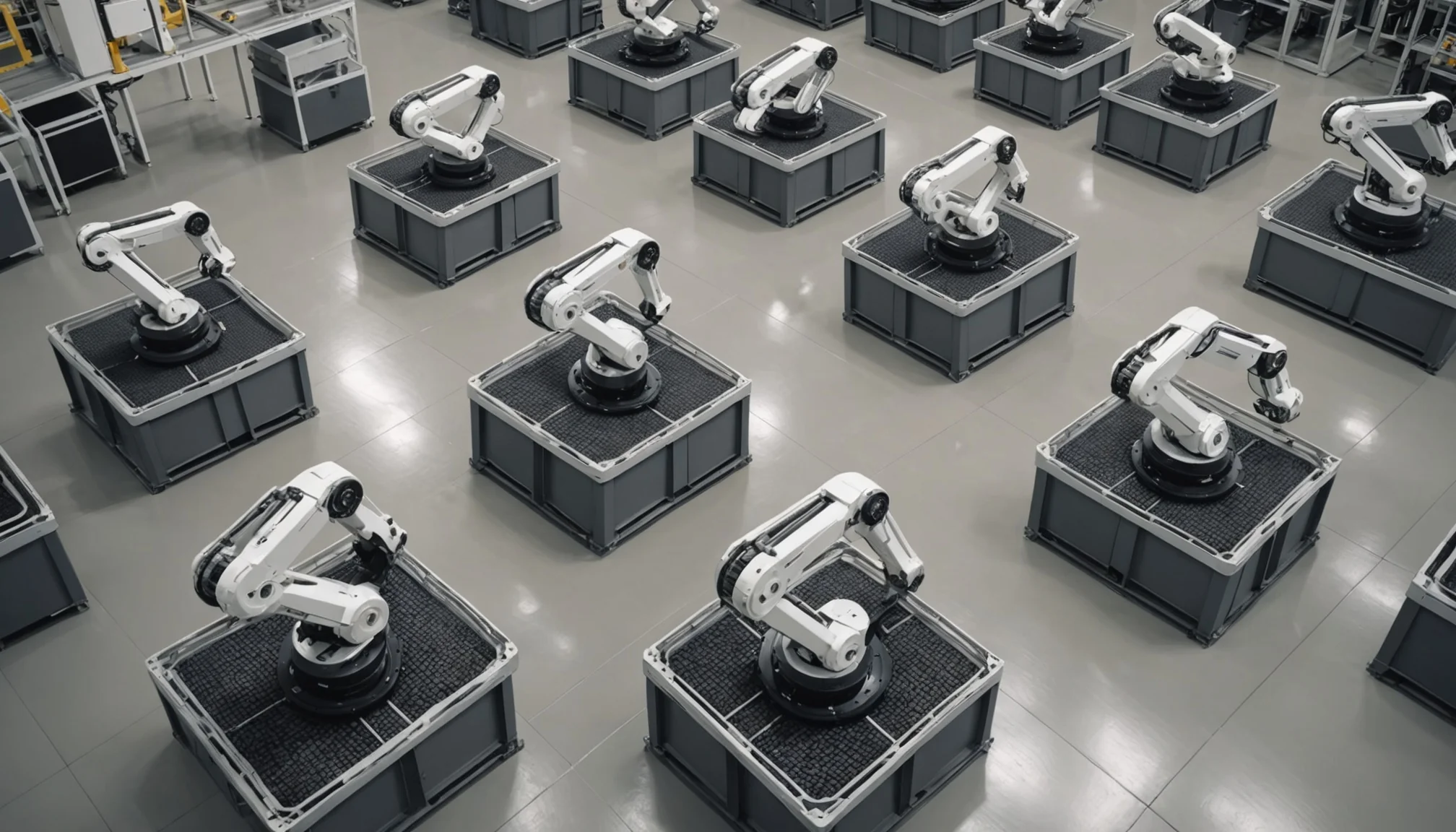
Pickrook's edge inference pipeline runs entirely on a compact compute module co-located with the arm controller. From camera frame capture to grasp command issuance takes under 200 milliseconds, comfortably fitting inside the mechanical cycle time of the arm. No cloud round-trip means no latency spikes when facility Wi-Fi fluctuates during peak shift. Throughput stays predictable across the full operating day.

General-purpose vision model identifying novel SKU without retraining

02

Novel SKU Generalization

Pick new SKUs without retraining or manual configuration per item

Unlike vision systems trained on product-specific labeled datasets, Pickrook uses a general-purpose pick model trained across hundreds of thousands of warehouse object classes. When a 3PL onboards a new client's SKU catalog, the system begins picking those items immediately using geometric shape and surface cues rather than product ID memorization. New item onboarding time drops from days of dataset labeling to under two hours of live validation.

WMS dashboard showing bidirectional pick confirmation and audit log

03

WMS Bidirectional Sync

Confirm pick identity and quantity back to the WMS without manual scan steps

After each pick, Pickrook posts a structured result record to the warehouse management system confirming item identifier, count, and destination tote. This eliminates the manual barcode scan step typically required to close a pick event. For 3PLs running AutoStore or 6 River Systems, the integration uses native API connectors; for others, a lightweight webhook agent handles the sync. Pick records are audit-ready for retail chargeback disputes.

Multi-arm pick station with browser-based station controller dashboard

04

Multi-Arm Orchestration

Coordinate 2-8 robot arms at a single pick station without dedicated robotics engineers on staff

Pickrook's station controller manages arm scheduling, collision avoidance zones, and error recovery for multi-arm configurations from a single interface. Facility operators use a browser-based dashboard to adjust throughput targets, pause individual arms for maintenance, and review pick logs by shift. No robotics programming experience required. The system surfaces arm health alerts and recommends preventive maintenance windows based on cycle-count thresholds.

End-effector verification camera detecting mis-pick before tote release

05

Pick Error Auto-Recovery

Detect mis-picks in real time and trigger re-attempt before the item reaches packing

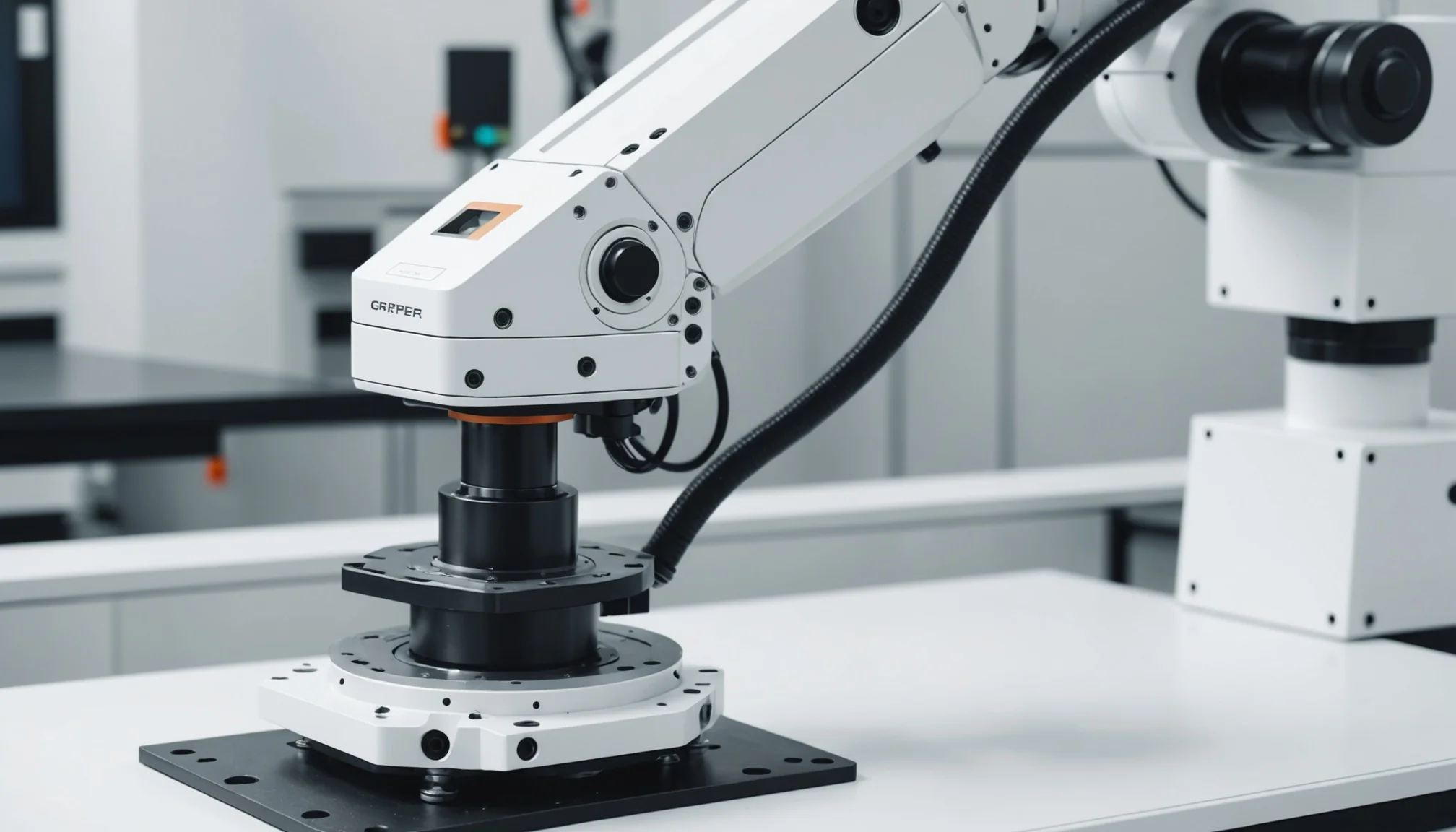
A second verification camera at the arm end-effector captures the picked item after grasp and compares it against the expected SKU using Pickrook's identity check model. If a mismatch or partial-pick condition is detected, the arm automatically returns the item and re-attempts before releasing to the tote conveyor. Error recovery happens within the cycle without human intervention, keeping the reject rate below 0.4% in validated 3PL deployments.

Shift performance analytics dashboard showing throughput, error rate, arm utilization

06

Shift Performance Analytics

Track throughput, error rate, and arm utilization by shift and SKU category

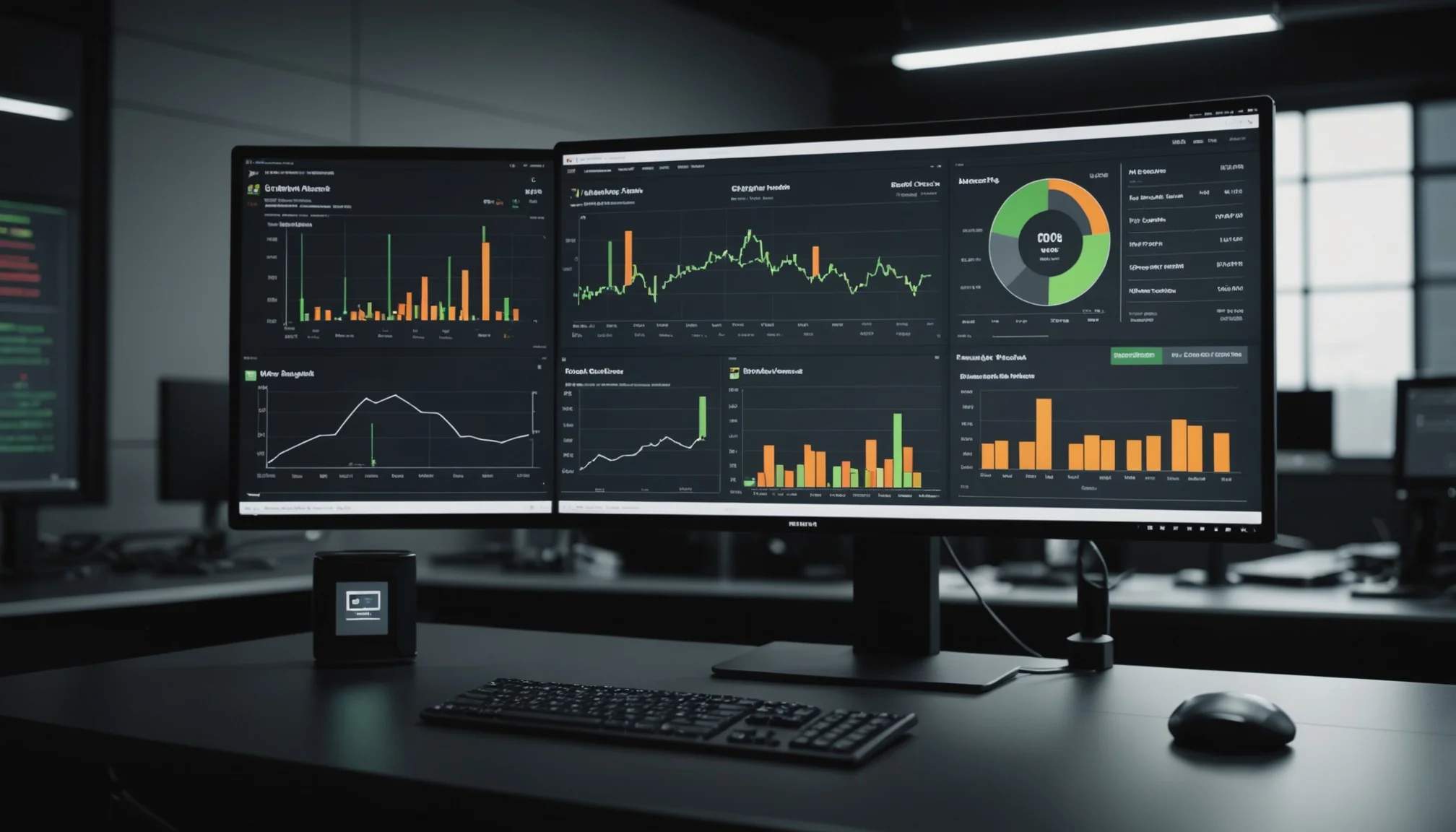
The Pickrook dashboard aggregates pick counts, error events, cycle times, and arm utilization across all stations in a facility by shift, day, and week. Operations managers can identify which SKU categories or time windows drive error spikes and adjust station configuration accordingly. Data is exportable to CSV and compatible with standard 3PL reporting workflows. Reports surface the labor-equivalent output of the robotic stations to support client billing and SLA tracking.

How It Works

From camera frame to grasp command

Three stages, all running on edge compute co-located with the arm controller — no cloud round-trip in the pick loop.

01

Perception Input

3D point-cloud and RGB camera feeds from fixed overhead sensors mounted above pick stations, combined with live SKU location data from the warehouse management system via AutoStore or 6 River Systems integration.

02

Grasp Planning

Pickrook's perception model identifies object boundaries, grasp candidates, and pick confidence scores in under 200 milliseconds per cycle, running on edge compute co-located with the robot arm controller without cloud round-trip latency.

03

Execution and Confirmation

Grasp execution command sent to the robot arm at the pick station, with a structured result log posted back to the WMS confirming pick identity, quantity, and tote destination after each cycle completes. A second end-effector verification camera runs a final identity check before tote release, triggering automatic re-attempt if a mis-pick is detected. The complete pick loop — perception input through WMS confirmation — runs without human intervention under standard operating conditions.

Built For

The 3PL that needs robotics without a robotics team

Pickrook is purpose-built for mid-size third-party logistics operators running piece-pick operations at 2–15 facilities.

Who We Serve

Mid-size 3PLs operating 200,000–2,000,000 sq ft of fulfillment space, handling 5,000–80,000 piece-picks per day across multi-client SKU catalogs. These operators compete on throughput speed and pick accuracy SLAs but face chronic labor shortages, high turnover in pick roles, and retail client chargebacks when error rates exceed 1%.

The operators Pickrook works with do not have robotics engineers on staff. They need a picking system their operations team can install, configure, and maintain using standard facility technician skills. Pickrook is designed so that the robotics expertise lives in the software, not the customer’s org chart.

Typical deployment starts with a single pick station pilot, validated over 30–90 days, before scaling to additional stations or facilities. The pilot agreement includes throughput and accuracy benchmarks; if the system doesn’t hit them, the contract doesn’t renew.

Integrations

Native connectors for the WMS and robot controller platforms common in mid-size 3PL operations. Pickrook integrates at the API layer — no custom middleware required on the customer side.

ROS 2 (Robot Operating System) AutoStore WMS 6 River Systems Locus Robotics Symbotic WMS Fanuc robot controllers KUKA robot controllers Zebra TC-series scanners

See it running in your facility type

Tell us your WMS, your SKU mix, and your current error rate. We will scope a pilot that gives you numbers in your environment.