Mid-market 3PLs operate in a narrow band where automation investment must pay back in 18-36 months or it doesn't get approved. That window is tighter than most robotics vendors will admit up front. We've spent the past few years watching which deployment patterns actually clear that hurdle and which ones stall after the pilot phase. The short answer: what works is narrower than the vendor demos suggest, and it's also more achievable than the failures in trade press make it look.
The Pick Problem Is Specific, Not General
Warehouse automation is a broad category. Autonomous mobile robots moving totes between zones, automated storage and retrieval systems, conveyor sorters — these are all legitimate automation, but none of them solve the pick problem. The pick problem is the moment a human or robot arm reaches into a bin or shelf position and selects one specific item from a mixed-SKU environment. That decision — identifying the right item, planning a grasp that won't damage it, executing the grasp under time pressure — is where the hard work is.
Industry data consistently puts piece-picking at 50-65% of direct labor cost in fulfillment operations. At a mid-market 3PL running 150-300 employees per facility, that's a material line item. The catch is that piece-picking is also the hardest automation problem in the warehouse. Cart-based AMR systems are mature and deployable. Fixed-station piece picking with general-purpose arms is still catching up.
What the Benchmarks Actually Say
We see a lot of throughput claims in robotics sales cycles. Here's what the independent operational data actually shows at mid-market scale. Manual pickers in a well-run fulfillment operation average 350-500 units per hour, depending on SKU density, pick path design, and operator experience. That ceiling is real — experienced operators don't get much faster because human ergonomics and reach distances impose physical limits.
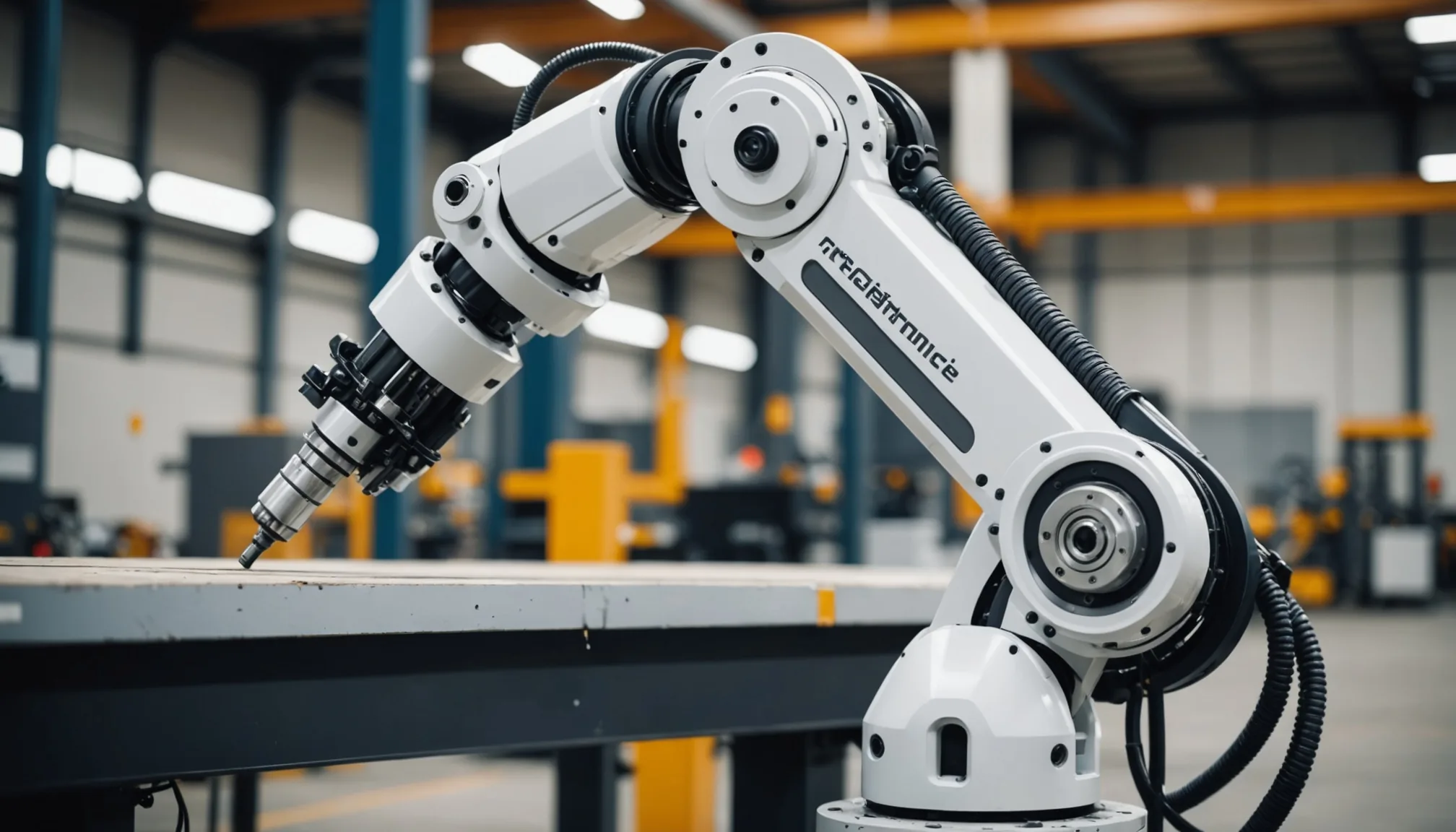
Robotic pick stations in current commercial deployments at mid-market 3PLs are producing 400-700 units per hour in high-variety environments. The upper end requires favorable SKU mix — items with predictable geometry and surface grip. The lower end is typical for a broad mixed-SKU catalog on day one of deployment. The key insight is that robotic throughput is not a fixed number — it improves as the system learns the catalog and as operators tune station configuration.
Novel SKU Handling Is the Deployment Wildcard
In our experience, the single biggest variable in mid-market 3PL deployments is how the system handles SKUs it hasn't seen before. Traditional vision systems that rely on product-specific training data fail here. When a 3PL onboards a new brand — which happens routinely in multi-client operations — any system requiring labeled training data per SKU creates a bottleneck that scales poorly.
Deployments that use generalized grasp models — systems trained across broad object classes rather than product-specific catalogs — avoid this bottleneck. New SKUs are picked from day one using geometric shape and surface properties rather than product ID memorization. That difference is operational, not just technical: it determines whether your automation handles your growth or constrains it.
WMS Integration Depth Matters More Than Hardware
Most robotics pilots focus on arm hardware and vision performance metrics. In practice, the WMS integration layer is where operational deployments succeed or fail. A pick station that can identify and grasp items reliably but can't close the loop with the warehouse management system creates more work, not less. You need pick confirmation records posted back to the WMS in real time — item identity, quantity, destination tote — without adding manual scan steps to close each event.
For 3PLs running AutoStore or 6 River Systems, native API connectors handle this cleanly. For facilities with custom WMS instances or older systems, a webhook-based sync agent is the practical path. Either way, this integration work should be scoped and budgeted before hardware installation, not treated as a post-deployment configuration task.
Realistic ROI Expectations at mid-market Scale
A 3-facility mid-market 3PL deploying pick automation at its highest-volume site should model for 18-24 months to throughput parity with a fully staffed manual operation, accounting for ramp time, SKU catalog diversity, and WMS integration work. Full ROI in 24-36 months is achievable if labor costs are at market rate ($19-24/hour loaded in most US metro markets) and the robotic station handles 70% or more of the SKU volume without manual intervention.
What doesn't work: deploying automation with the expectation of zero human involvement at launch. The operational reality is a mixed model — robotic stations handle high-volume, predictable-geometry SKUs while human pickers handle exceptions and edge cases. That mixed model is also where the ROI calculus gets interesting, because you're not replacing headcount one-for-one. You're changing the skill profile and reducing exposure to turnover-driven throughput variance. At 60-90% annual labor turnover in pick roles, that variance cost is real and underweighted in most automation ROI models.
The 3PLs getting traction with mid-market pick automation are the ones who scoped the problem correctly — specific SKU ranges, specific station types, realistic throughput targets — rather than trying to automate everything at once. That discipline in the scoping phase is what separates a 30-month ROI from a pilot that never converts to production.